→
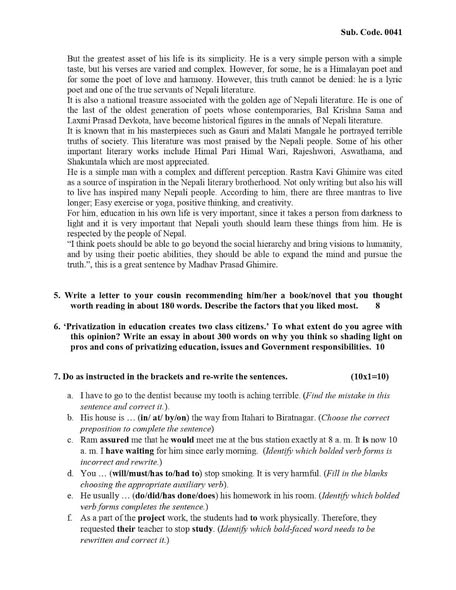
Privatization in Education
Education is essential for personal development and national progress. In many countries, both government and private institutions provide education. Private schools can offer better-managed classrooms, modern learning materials, technology, extracurricular activities, and specialised programmes. Competition may also encourage institutions to improve their services. However, when access to quality education depends mainly on family income, privatization can increase social inequality and create divisions between rich and poor students.
Students in expensive private schools may receive better facilities, individual attention, and more learning opportunities. In contrast, students in underfunded public schools may face overcrowded classrooms, shortages of materials, and limited access to technology. These differences can influence academic performance, higher-education opportunities, and future employment. As a result, education may become a privilege rather than an equal right.
There are also disadvantages to privatization. Some private institutions may charge high fees, focus more on profit than learning, or place financial pressure on families. Nevertheless, private schools can contribute positively when they employ qualified teachers, maintain educational standards, and provide scholarships to students from disadvantaged backgrounds. Therefore, the problem is not simply the existence of private schools, but unequal access and weak regulation.
The government has an important responsibility to guarantee quality education for every child. It should invest in public schools, train and support teachers, provide learning materials, monitor private-school fees, enforce educational standards, and prevent discrimination. Scholarships and financial support should also be available to students who cannot afford quality education.
In conclusion, privatization can bring innovation and useful resources, but uncontrolled privatization may widen the gap between social classes. A fair education system needs strong public schools, responsible private institutions, and effective government regulation. Every student should have the opportunity to succeed regardless of family income.